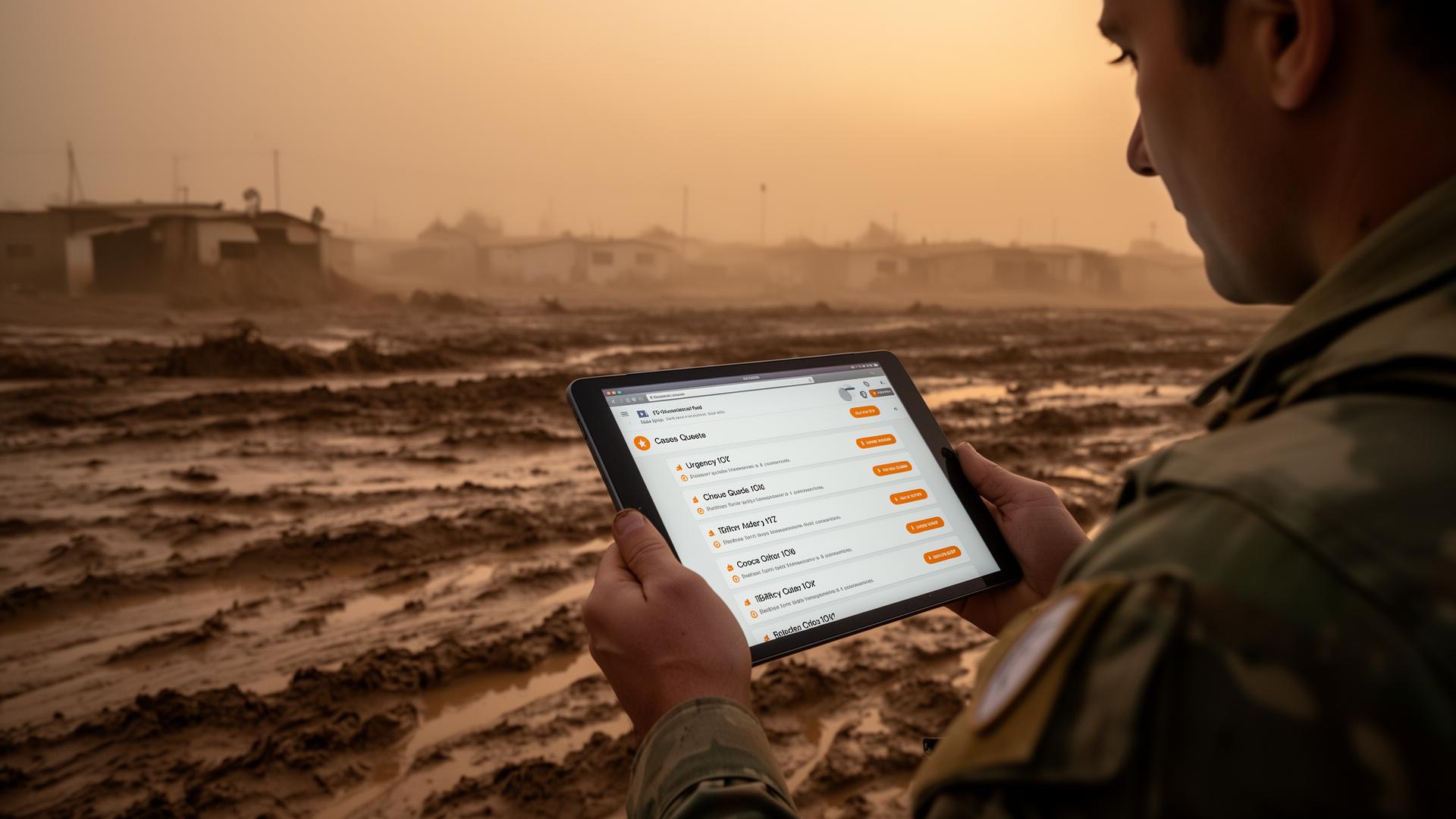
Field coordinator reviewing AidGrid's signal board on a tablet during a flooding response
Free for every responder

One queue. AI keeps it prioritized. Humans approve.

A shared coordination queue for field responders. AidGrid organizes incoming requests, flags likely duplicates, and prepares suggestions for human review.

AI suggests. Humans decide.
AI-assisted triage draft
Human review required
#R-0147WhatsApp · 45s ago
Riverside corridor

Incoming request

“Elderly woman alone, first floor flooding, can’t move.”

Urgency · 5 of 5
Immediate threat, vulnerable person, structural risk.
Duplicate flagged
Possible duplicate of #R-0089 — same address, different source.
Resource match
Riverside Shelter — 0.4 km away · 12 beds available.

AI suggests. A coordinator reviews and approves before anything moves.

The coordination failure

When the phone tree breaks down

Every group has its own notebook. Every notebook tells a different story.

Vintage analog phone handset on a dusty field office surface

The phone tree

Three groups already working a delivery to the same address. Nobody knows until they collide in the field.

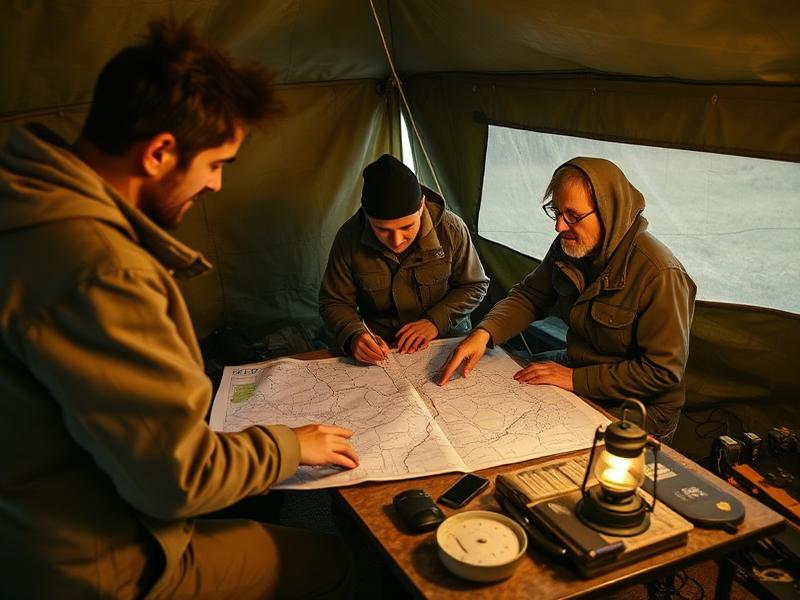
Weathered field notebook with handwritten coordinates

The shared notebook

Your notes don't match their notes. The briefing sheet was updated three hours ago. You missed the update.

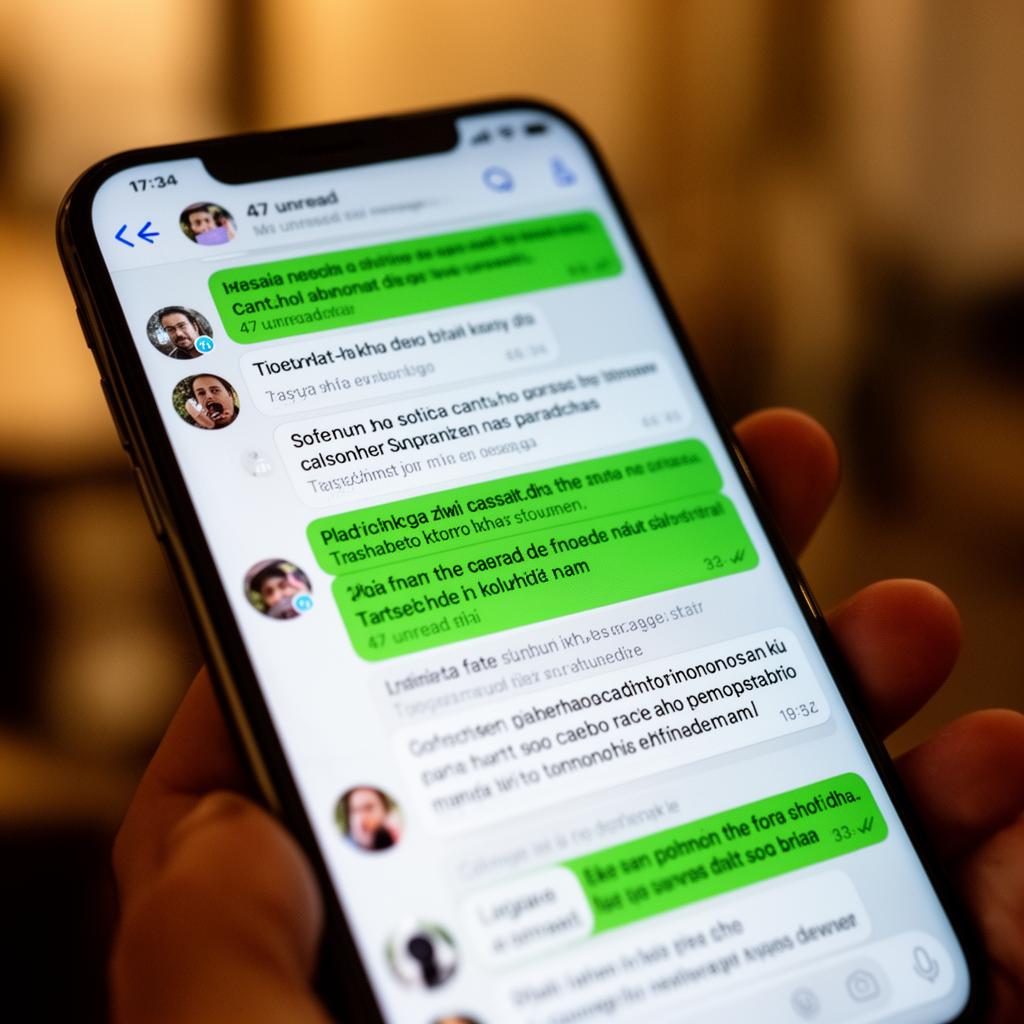
Smartphone showing a dense unread group chat thread

The WhatsApp group

Forty-seven unread messages. Someone needs blood type O-negative. Is anyone handling it? Nobody replies. It's been two hours.

Field partners

Used by responders coordinating the last mile.

Mutual aid networks, clinics, shelters, and city emergency offices using AidGrid to keep one shared view of incoming requests.

  • United Rescue Partners

    NGO / Shelter

    Puerto Rico

  • City Emergency Operations — Zone 4

    City Office

    Dallas, Texas

  • The Relief Hub

    Mutual Aid Collective

    New Orleans, LA

  • Sanctuary Clinic Network

    Clinic

    Maricopa County, AZ

  • North Star Disaster Response

    Disaster Response Org

    Florida

All partners listed have approved public mention. AidGrid is not 911 or emergency dispatch. Coordinators approve every routing decision.

How AI Helps

AI prepares a first-pass triage for every request.

  • Scores urgency (1–5) based on what the request actually says.
  • Catches duplicate reports from the same address or person.
  • Matches requests to nearby shelters, clinics, and supply points.
  • Flags incomplete or suspicious submissions for closer review.
  • Translates requests into English when submitted in other languages.
  • Organizes everything so coordinators see what matters most.

Every AI suggestion is reviewed by a human coordinator before anything moves.

Queue snapshot

What the shared queue has carried so far.

22,135

Total requests coordinated

2.4 hr

Average queue lifetime

3 + 12

Languages handled — English, Spanish, Haitian Creole; machine translation in 12+ others

470

Active responders

Verified across AidGrid response operations. Results vary by response conditions, data quality, and local coordinator review.

Field results

What coordinators have moved on the queue.

Field result

Rapid shelter redirection

Houston, TX

Outcome

57 duplicate deliveries prevented in one week

We stopped three trucks of the same supplies heading for one shelter.

Field result

Urgent medical supply requests

Puerto Rico

Outcome

Average triage time: 2 minutes

Coordination made it possible to deliver a specific blood type to a rural clinic.

Field result

Missing persons coordination

California

Outcome

4 organizations sharing one queue

We connected a shelter request to a family reunification case.

Featured field operator

We spent two years tracking requests in spreadsheets and sticky notes. AidGrid gave us a single pane of glass so our team could actually get food, water, and supplies to people rather than updating a list. The urgency score isn't perfect, but it's good enough that we don't miss the life-or-death cases because they got buried in a backlog.
Erika Ramirez·Director of Field Operations·United Rescue Partners·Puerto Rico

Humans improve the mission

AI is the assistant. People are the mission.

Coordinators approve

Every routing decision stays with a human. AI suggests. You decide.

Volunteers improve

Volunteers review translations, verify resources, improve guides, and strengthen community trust.

Partners review

Local organizations review updates before they're shared more widely.

Scope & non-claims

What AidGrid can do — and what it can't

AI suggests. Human coordinators approve.

AidGrid can

  • Receive and organize incoming help requests
  • Score urgency as a suggestion for coordinators
  • Flag potential duplicate reports
  • Suggest nearby resources from the directory
  • Show capacity signals from shelters and clinics
  • Alert responders when a case needs review
  • Export case records for reporting and handoff

AidGrid cannot

  • Guarantee a response
  • Verify every report
  • Dispatch responders automatically
  • Decide who gets help
  • Replace emergency services
  • Diagnose medical needs
  • Provide legal guidance

Not intended for

  • Emergency dispatch or a 911 replacement
  • Medical diagnosis or treatment
  • Legal advice
  • Direct public fundraising

For life-threatening emergencies, call 911 or your local emergency number first.

Stories of Impact

What changes when coordination works.

Shelter surge

A shelter director stopped turning people away at the door.

Real-time capacity from neighboring shelters meant every family had a bed to be routed to — even when her own beds were full.

Duplicate detection

Three volunteers stopped driving to the same address.

Duplicate detection caught three separate reports of the same wellness check. One coordinator went. The other two were freed for new cases.

Urgency triage

A field team received a critical medical request in 4 minutes.

AI flagged the request as urgency 5 and matched the nearest clinic with capacity. The coordinator approved the routing on her phone.

Connected systems

AidGrid accepts intake from many channels and centralizes the queue.

These are the systems coordinators most often wire into AidGrid. Most are supported connections or integration workflows — not formal partnerships unless explicitly labeled.

  • FrontlineSMS Gateway

    SMS / Voice

    Handles incoming reports via text and voicemail.

    Supported connection

  • Hotline

    Voice / Intake

    Connects to AidGrid via API bridge for voice intake.

    Integration workflow

  • RedCross Shelter DB

    Shelter management

    Feeds available shelter capacity into AidGrid for routing.

    Connected system

  • Google Maps / OpenStreetMap

    Mapping

    Provides proximity checks and location validation.

    Supported connection

  • WhatsApp Business

    Messaging

    Inbound and outbound alerts for coordinators.

    Supported connection

  • Slack / Mattermost

    Communications

    Notification and queue updates to responder channels.

    Supported connection

  • CaseWorthy

    Case management

    Optional two-way sync of client records.

    Integration workflow

  • SurveyMonkey

    Intake

    Common source for structured help requests.

    Supported connection

Keep it free.

AidGrid costs money to run. Servers, human review, translation support, security — none of that is free. Donations cover it.

  • $25Funds one hour of human review
  • $100Prints and distributes safety cards in a shelter
  • $500Supports one month of server costs for 10 organizations
Donate

Every dollar covers human review, translation, and safety.

Improve the mission.

AI gives instant basic help. Volunteers make it better — translation review, accessibility, guide quality, resource verification.

  • Translation Review

    Review AI translations for accuracy across languages.

  • Accessibility Improvement

    Improve screen reader, keyboard, and low-bandwidth support.

  • Guide Quality

    Refine field guides, templates, and onboarding content.

  • Resource Verification

    Verify shelter and clinic capacity and contact details.

Volunteer

Remote or local. A few hours a month is real impact.

Ready to coordinate better?

Submit a request for review, or create a coordinator account for your response team.

Used by field teams coordinating flash flooding, wildfire, shelter surge, and food security responses.